
Locked Out? Emergency Locksmith Support Available
Get Answers & Flat Prices
Locks are part of daily life, yet they are often overlooked until something stops working. A door that once closed smoothly begins to resist. A key no longer turns with the same confidence. A business owner notices staff forcing an entrance that used to operate effortlessly. These problems rarely appear without warning. They develop gradually through mechanical wear, subtle door movement, and years of regular use.
Toronto area, dependable lock performance is essential to both safety and access control. Whether protecting a private residence or a commercial property, the quality of lock installation, repair, and fitting directly affects security and long-term reliability. Effective locksmith service focuses on understanding how each lock interacts with the door, frame, and surrounding hardware, not simply swapping parts when something fails.
Most lock failures are mechanical and progressive. Internal pins wear unevenly. Cylinders loosen within the door. Strike plates shift as buildings settle or temperatures change. Hinges sag, placing pressure on the locking mechanism that it was never designed to handle.
In residential settings, these changes often go unnoticed until the lock becomes difficult to use. In commercial environments, frequent traffic accelerates wear, making alignment issues more common. What initially feels like minor resistance can evolve into a lock that no longer engages properly or fails under pressure.
Professional assessment identifies whether the issue lies within the lock itself or in the surrounding hardware. Addressing the correct source prevents unnecessary replacement and ensures the lock continues to function as intended.

Homes throughout Scarborough and Toronto vary widely in construction style and age. Older properties may rely on traditional deadbolts or mortise locks, while newer builds often use modern cylindrical hardware. Each presents unique challenges in terms of fitting, repair, and long-term durability.
Residential lock service prioritizes smooth operation, proper alignment, and appropriate security levels. A lock should operate without resistance, engage fully with the strike plate, and maintain consistent performance throughout seasonal changes. When possible, locks are repaired rather than replaced, preserving existing hardware while restoring reliability.
Lock installation in residential settings requires careful evaluation of the door itself. Door thickness, material composition, and frame condition all influence which lock will perform best. Even premium locks can fail prematurely if not installed with consideration for these factors.
Rekeying services are commonly used after moving into a new home or when key control becomes uncertain. Rekeying allows the existing lock to remain in place while rendering previous keys unusable, restoring security without unnecessary expense.
Commercial properties place higher demands on locking systems. Offices, retail locations, medical facilities, warehouses, and mixed-use buildings all depend on locks that can handle frequent use while maintaining strict access control.
Commercial lock service extends beyond durability. It involves understanding workflow, access requirements, and the need for consistency across multiple doors. Lock problems in these environments are often caused by door movement and hardware fatigue rather than internal lock defects.
Repairing commercial locks requires precision. Adjustments to hinges, frames, and strike plates often restore functionality without disrupting business operations. When replacement is required, lock selection is guided by usage patterns, security expectations, and compatibility with existing door systems.
Master key systems are frequently implemented to balance access and control. Proper planning ensures each key performs its intended function without overlap, maintaining security while supporting operational efficiency.
Installation quality determines lock longevity. A lock installed even slightly out of alignment experiences unnecessary stress every time it is used. Over time, this stress accelerates wear and increases the likelihood of failure.
Precision fitting ensures the lock bolt aligns naturally with the strike plate and engages fully without forcing. Cylinders should rotate smoothly, and doors should close cleanly without pressure. These details affect not only usability but also security.
In commercial environments, installation errors can create safety concerns. Doors that do not latch properly compromise access control and may violate building standards. Correct installation addresses these issues before they become liabilities.
Many lock issues are repairable. Sticking mechanisms, loose cylinders, and inconsistent engagement are often caused by alignment or internal wear rather than complete failure.
Lock repair services focus on restoring proper function by correcting these issues. Internal components are inspected and serviced, hardware is tightened, and door alignment is adjusted as needed. When performed correctly, these repairs significantly extend the life of the lock.
For property owners managing multiple doors, repair services offer a practical way to maintain consistent performance without unnecessary replacement costs.
Different lock brands are engineered with distinct internal tolerances, materials, and design philosophies. Servicing them correctly requires familiarity with how each system functions rather than applying a generic approach.
Residential and commercial properties often contain a mix of lock brands installed over time. Compatibility between lock hardware, door construction, and usage patterns is critical. A lock suited for light residential use may fail prematurely in a high-traffic commercial setting.
When installing or repairing locks, attention is given to how the hardware integrates with the door and frame. Proper matching ensures consistent performance and reduces long-term maintenance issues.

Certain properties require enhanced security beyond standard locking systems. High-security locks are designed to resist picking, drilling, and unauthorized key duplication, making them suitable for professional offices, commercial facilities, and security-conscious homeowners.
Installing high-security locks requires careful planning. These systems perform best when integrated into a properly aligned door and frame. Improper fitting can undermine their effectiveness.
High-security solutions are selected based on actual risk factors rather than trends. The goal is to improve protection while preserving ease of use and emergency access.
Older buildings across Scarborough and Toronto often present unique challenges. Doors may have settled over decades, frames may be out of square, and hardware may no longer align as originally intended.
Servicing locks in these properties requires adaptation. Repairs often involve correcting alignment issues and reinforcing surrounding hardware to restore proper operation.
Newer construction presents different considerations. Modern doors may use lightweight materials or integrated hardware systems that require precise installation to perform correctly. Understanding these differences ensures appropriate service in both environments.
Preventive maintenance plays a crucial role in lock reliability. Regular inspection and adjustment can identify minor issues before they escalate into failures.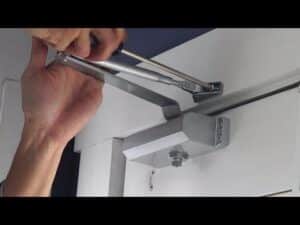
In residential settings, maintenance ensures locks continue to operate smoothly and securely. In commercial environments, it reduces downtime and minimizes disruptions caused by malfunctioning doors.
Preventive service focuses on alignment, lubrication, and hardware integrity, extending the lifespan of locks and maintaining consistent performance.
Effective locksmith service balances security, usability, and durability. Not every situation requires replacement, and not every door needs the highest security hardware available.
Clear communication allows property owners to make informed decisions. Understanding why a repair is recommended or when replacement is necessary builds trust and leads to better outcomes.
Locks should function reliably without drawing attention to themselves. When installed and maintained correctly, they provide security quietly and consistently.