
Locked Out? Emergency Locksmith Support Available
Get Answers & Flat Prices
Over time, your deadbolt starts to show signs of age you may not notice immediately. Every time you turn the key, tiny scratches and wear build inside the cylinder. This is often called “memory wear,” and it slowly makes the key harder to turn. Unlike a sudden break, this wear develops gradually, leaving homeowners confused about why a perfectly good lock is starting to resist.
Deadbolts are made to last, but the pins, cylinder, and bolt all experience friction with each use. Dust, small metal shavings, and tiny misalignments accumulate over the years. This friction increases resistance when turning the key. Often, the lock seems fine in cold weather but sticks more during humid months, showing how environmental factors speed up internal wear.

Your key may appear unchanged, but micro-wear inside the lock can make it seem mismatched. As the cylinder wears, even the original key doesn’t slide as smoothly as it used to. Many homeowners think the key itself is the problem, but the deadbolt often bears the main responsibility.
Subtle indicators like needing to jiggle the key, slight resistance, or a key that doesn’t fully turn are early warnings. Ignoring these signs can lead to full lock failure, leaving you locked out or forced to replace the entire deadbolt.
Seasonal changes, door frame shifting, and daily use all influence deadbolt wear. Toronto and Scarborough homes experience humidity, winter contraction, and summer expansion, which can misalign the bolt and worsen memory wear. High-traffic doors, like main entrances in apartments or rental properties, show wear faster than rarely used doors.
Deadbolts are durable by design, but like any mechanical device, they are not immune to wear and tear. Some of the most frequent problems include:
Stiff deadbolt key turn: This usually happens due to lack of lubrication or internal wear in the cylinder. It can make unlocking your door frustrating and slow.
Key hard to turn in lock: Often caused by misaligned components or dirt buildup inside the mechanism. Left untreated, this can lead to broken keys or a complete lock failure.
Worn deadbolt cylinder: Over years of use, the cylinder can wear down, compromising security and smooth operation.
Sticky lock repair needs: Sometimes the deadbolt sticks, refusing to slide smoothly, which can be caused by aging components or environmental factors like humidity.
Ignoring these issues can make your home vulnerable to break-ins or leave you locked out unexpectedly.
Spraying lubricant or tapping the key temporarily eases the turning, but these are only short-term solutions. Once the cylinder is worn, the pins are misaligned, or the bolt moves unevenly, a temporary fix won’t last. Professional inspection is often required to restore smooth operation and prevent sudden lock failure.
Skilled locksmiths can assess whether your deadbolt can be repaired or if replacement is the better option. Services include rekeying, repinning, cylinder smoothing, or full lock replacement. Replacing the deadbolt with high-quality hardware ensures longevity and prevents future memory wear from recurring.
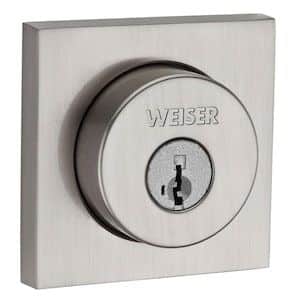
Choosing the correct lock is as important as maintenance. Reliable brands like Schlage, Baldwin, Mul-T-Lock, Medeco, Weiser, and Yale offer durability, smooth operation, and enhanced security. Installation by a professional guarantees the lock is correctly aligned, reducing early wear and keeping your door secure.
In Scarborough, we often see homeowners frustrated with a lock that suddenly becomes stiff. One client’s main door deadbolt had gradually resisted turning, making entry stressful. After inspection, we repinned the cylinder and adjusted the strike plate. The key turned smoothly again, saving the homeowner the cost of a full replacement.
Preventive care can save you headaches and money down the line. Here are some practical tips:
Regular lubrication: Use graphite or a silicone-based lubricant to keep the cylinder moving smoothly. Avoid oil-based lubricants that attract dust.
Inspect for wear: Check your deadbolt cylinder for scratches, loose components, or visible corrosion.
Prompt repair: Address a stiff deadbolt key turn or a key hard to turn in lock as soon as possible to prevent more serious damage.
Upgrade aging hardware: Consider a home lock upgrade every 10–15 years or sooner if your deadbolt shows signs of wear.
Professional assessment: A certified locksmith can perform a detailed inspection, recommend repairs, or replace your deadbolt efficiently.
SEO Keywords: deadbolt lock repair, stiff deadbolt key turn, key hard to turn in lock, worn deadbolt cylinder, deadbolt replacement Toronto, sticky lock repair, house door lock not turning, locksmith Scarborough deadbolt, home lock upgrade, aging deadbolt mechanism