
Rapid Locksmith Scarborough

Locked Out? Emergency Locksmith Support Available

Search

Get Answers & Flat Prices

Access Control and Advanced Lock Systems for Residential and Commercial Properties

Modern security is no longer limited to a single mechanical lock and key. As buildings become more complex and access needs evolve, property owners increasingly rely on access control and advanced locking systems to manage entry safely and efficiently. These systems are designed to provide greater control, improved accountability, and stronger resistance to see you.

Across Scarborough and the greater Toronto area, both residential and commercial properties are transitioning toward electronic and keyless locking solutions. This shift is driven not by trends but by practical needs such as managing multiple users, reducing unauthorized access, and maintaining consistent security without relying on traditional keys alone.

Understanding What Access Control Really Means

Access control refers to systems that regulate who can enter a property, when they can enter, and which areas they are permitted to access. Unlike conventional locks, access control systems allow entry credentials to be added, removed, or adjusted without replacing hardware.

In residential environments, access control often focuses on convenience and control. Homeowners may want to eliminate physical keys, manage access for family members, or restrict entry to certain areas of the home. In commercial settings, access control becomes a critical operational tool, allowing businesses to manage employee access, protect sensitive areas, and maintain clear records of entry activity.

Effective access control systems integrate smoothly with doors, frames, and existing security infrastructure. Proper installation and configuration ensure that security improvements do not interfere with daily use or emergency access.

Rekeying Locks

Electronic Locks and Keyless Entry Systems

Electronic locks replace traditional keyways with digital credentials. These systems may use codes, cards, fobs, or mobile devices to grant access. Keyless entry eliminates the risks associated with lost or duplicated keys while providing flexible access management.

In residential applications, electronic locks are commonly used on main entry doors, garage access points, and interior security doors. They allow homeowners to change access credentials without rekeying and to monitor usage patterns more easily.

Commercial properties benefit from electronic locks by simplifying access management. When employees leave or roles change, access can be updated instantly without disrupting operations. This adaptability makes electronic locks particularly effective in offices, retail spaces, and shared buildings.

Biometric and Fingerprint-Based Locking Solutions

Biometric locking systems use unique physical characteristics, such as fingerprints, to authenticate users. These systems offer a high level of security because biometric credentials cannot be lost, copied, or shared.

Biometric locks are increasingly used in environments where access must be tightly controlled. Professional offices, secure workspaces, and properties handling sensitive information often rely on biometric entry to ensure only authorized individuals gain access.

For residential use, biometric locks provide a combination of security and convenience. Homeowners no longer need to manage keys or codes, and access is granted quickly without physical contact. Proper installation and calibration are essential to ensure consistent performance and reliable recognition.

Bluetooth, Mobile, and Smart Lock Integration

Smart locks that connect via Bluetooth or mobile applications allow access to be managed remotely. These systems enable property owners to grant or revoke access through a smartphone, monitor entry activity, and integrate with broader security platforms.

In residential settings, smart locks are often used to manage access for guests, service providers, or short-term visitors. Temporary credentials can be issued without compromising long-term security.

Commercial properties use mobile-enabled locks to centralize access control across multiple doors or locations. Integration with management software allows administrators to maintain oversight and ensure compliance with access policies.

Smart lock installation requires careful planning to ensure reliable connectivity and compatibility with existing doors and frames. Poor installation can result in inconsistent performance and reduced security.

Kaba Simplex Keypad

Magnetic and Automatic Door Lock Systems

Magnetic locks and automatic locking systems are commonly used in commercial environments where controlled access and consistent locking are essential. These systems secure doors using electromagnetic force and are often integrated with access control readers and safety mechanisms.

Magnetic locks are particularly effective in high-traffic areas where durability and quick release are necessary. They are frequently installed on glass doors, interior office entrances, and controlled access points.

Automatic door locking systems ensure doors lock immediately after closing, reducing the risk of doors being left unsecured. Proper configuration is critical to ensure these systems comply with safety and emergency egress requirements.

Access Control for Commercial Properties

Commercial access control systems are designed to support daily operations while maintaining security. Offices, retail stores, medical facilities, and industrial properties each have unique access needs.

Access control in commercial settings allows business owners to define access levels, track usage, and respond quickly to changes. When combined with high-quality locking hardware, these systems create a layered approach to security that reduces risk and improves accountability.

Installation must consider door type, traffic flow, and integration with existing infrastructure. Poorly planned systems can create bottlenecks or security gaps, undermining their effectiveness.

Advanced Lock Systems for Residential Security

Advanced locking systems are not limited to commercial properties. Residential homeowners increasingly adopt keyless and electronic locks to improve security and convenience.

Advanced residential locks provide benefits such as controlled access, audit trails, and enhanced resistance to tampering. These systems are particularly valuable in homes with multiple occupants or frequent visitors.

Installation and setup are crucial. Residential doors often differ significantly from commercial doors, requiring careful fitting to ensure proper alignment and performance.

Compatibility with Doors, Frames, and Hardware

Access control systems are only as effective as their installation. Compatibility between the locking system and the door assembly determines long-term reliability. commercial-doors locks
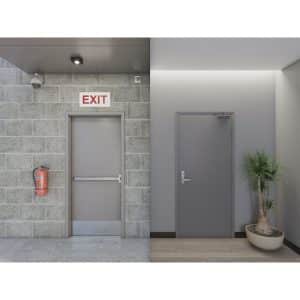
Doors may be constructed from wood, metal, or glass, each presenting different installation challenges. Frames must support the locking mechanism without compromising structural integrity.

Professional assessment ensures that advanced lock systems are matched appropriately to the property, avoiding premature wear or security vulnerabilities.

Maintenance and Long-Term Reliability

Advanced lock systems require ongoing maintenance to remain effective. Software updates, mechanical inspections, and periodic adjustments help ensure consistent performance.

Preventive maintenance reduces the likelihood of failures and extends the lifespan of the system. In commercial environments, regular maintenance is essential to avoid disruptions and maintain compliance with security standards.

Residential users benefit from maintenance through improved reliability and reduced need for emergency service calls.

Serving Scarborough and Toronto with Advanced Security Solutions

Properties across Scarborough and Toronto reflect a wide range of architectural styles and security requirements. Local experience allows access control systems to be implemented efficiently and correctly. Access control and advanced lock services are most effective when delivered with a deep understanding of both technology and physical security principles.
Skip to content